
Rotator cuff tendinitis can make simple tasks like reaching overhead, lifting a bag, or sleeping on your side feel uncomfortable. If you are experiencing shoulder pain, stiffness, or weakness, targeted physical therapy can reduce symptoms, restore comfortable movement, and prevent further injury. At Twin Boro Physical Therapy in Parlin, NJ, we offer personalized, evidence-based rehabilitation to address the inflammation, muscle imbalances, and movement patterns that contribute to rotator cuff tendinitis.
What is Rotator Cuff Tendinitis?
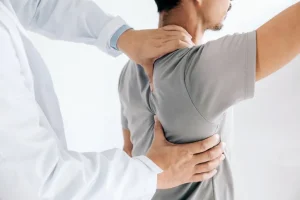
Rotator cuff tendinitis occurs when one or more of the shoulder tendons become irritated or inflamed. This usually develops from repetitive overhead motions, poor posture, muscle imbalance, or tightness that forces the shoulder to move inefficiently.
Common signs of rotator cuff tendinitis include:
- Pain when lifting the arm
- Discomfort when reaching behind the back
- Night pain or difficulty sleeping on the affected side
- Weakness or fatigue during overhead tasks
- Clicking or catching sensations with shoulder movement
Unlike a full tear, tendinitis is highly responsive to conservative treatment. Early intervention can decrease inflammation, correct faulty movement mechanics, and prevent the condition from progressing.
The Role of Physical Therapy in a Lasting Recovery
Rehabiliation at Twin Boro Physical Therapy begins with a thorough initial assessment to identify the root causes of your shoulder pain and any movement limitations. Based on this evaluation, your therapist creates a personalized treatment plan tailored to your needs and recovery goals, focusing on:
Reducing Pain and Inflammation
Gentle manual techniques and mobility exercises calm irritated tissues and restore comfortable motion. Improving circulation and reducing stiffness helps the shoulder tolerate daily activity with less discomfort.
Restoring Healthy Mechanics
Tendinitis often develops when the shoulder is not moving efficiently. Twin Boro therapists identify which muscles are weak, tight, or overactive and create a plan to correct these imbalances. Improving how the shoulder blades and rotator cuff work together prevents repeated strain on the tendon.
Strengthening Supporting Muscles
As pain decreases, targeted strengthening is introduced to rebuild stability, including:
- Exercises to activate the deep rotator cuff muscles
- Scapular strengthening for improved posture
- Endurance training for repetitive or overhead tasks
These exercises help the shoulder move smoothly and support long-term tendon health.
Improving Flexibility and Mobility
Tightness in the chest, upper back, or shoulder can limit movement and overload the rotator cuff. Stretching and guided mobility work help restore normal range of motion and reduce stress on the tendon during activity.
Functional Training
Once strength and mobility improve, therapy shifts toward real-life movement:
- Lifting, reaching, and carrying tasks
- Household or job-related motions
- Gradual return to recreational or gym activities
This approach ensures your shoulder is prepared for the demands of your daily routine.
At-Home Care
To maintain consistency, we provide a home routine and practical guidance on posture, sleep positions, and activity modification. Small changes in how you move throughout the day can significantly reduce strain on the tendon.
Start Your Shoulder Recovery Today
Rotator cuff tendinitis can improve significantly with the right treatment plan. If you’re seeking the best physical therapy after a rotator cuff injury in Parlin, NJ, Twin Boro Physical Therapy is ready to help you move comfortably again. Contact our Sayreville/Parlin clinic at (732) 238-8484 or schedule an appointment online to get started.
Twin Boro Physical Therapy is part of the PT Solutions group of companies, offering expanded clinical resources while maintaining the personalized, community-focused care our patients trust.