
Nobody should have to live with daily pain or discomfort. Our highly skilled physical therapy experts here at Twin Boro Physical Therapy can help diagnosis your pain and develop treatment plans specifically tailored to your needs. If you live or work in University Heights, New Jersey, check out our Twin Boro Physical Therapy in Newark location to see how you can get started today.
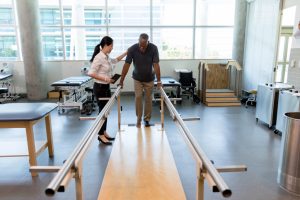 For over 40 years, Twin Boro Physical Therapy has offered New Jersey residents the latest evidence-based methods in physical therapy. We employ highly trained physical therapists, hand therapists, and occupational therapists, many of whom have over 25 years of experience.
In addition to the experience of our experts, we tailor our physical therapy sessions and programs to be unique for each patient’s needs. Each patient will be paired one-on-one with a physical therapist to ensure they are on track to meet their goals effectively and efficiently, as well as address any concerns or additional needs.
We also use our trademarked One2FourTM method, which helps patients be connected to additional resources and medical providers to ensure their treatment is comprehensively addressing the problem and moving towards a solution.
What is Tennis Elbow?
Tennis elbow, known as lateral epicondylitis, is inflammation of the muscles that attach the forearm to the elbow. This typically results from inflammation of the carpi radialis brevis tendon.
Typically, tennis elbow is caused by repetitive movements in tennis. This causes an overuse injury to develop and can lead to consistent pain. It is also possible to develop from occupations that use similar movements as tennis players, such as for painters and builders.
Signs of tennis elbow include a painful or burning sensation on the outside of the elbow and the feeling that you are unable to grip tightly.
How is Tennis Elbow treated?
Because Tennis Elbow is typically an overuse injury, the sooner you can rest the affected area the better. The earlier you catch the symptoms, the more quickly you will heal.
The first stage of treatment is resting the elbow, ice, over-the-counter pain relievers, compression, and bracing to avoid movements.
If pain persists after rest, ice, and compression, ultrasound and exercises can be used to help reduce inflammation.
Exercises are also helpful to strengthen the muscles within the forearm and prevent re-injuring the area.
Some at-home exercises you can do are:
Fist Clench
This exercise targets grip strength, which can help build muscles of the forearm and prevent overuse injuries from occurring. To perform this exercise, sit at a table and rest your forearm on the surface, palm up. Put a towel or small ball in your hand and squeeze as tightly as you can. Hold for 10 seconds and repeat 10-15 times.
Wrist Flexion and Extension
These exercises work small muscles in the wrist that connect into the elbow and are commonly overused. To build strength in them, targeted exercises are necessary.
Sit in a chair and rest your elbow on your knee and your palm facing the ground. Hold a 2-pound dumbbell if able, otherwise use no weight. Alternate curling your wrist towards the ground and then flexing the wrist towards the body. Perform each flexion and extension slowly and controlled. Perform each 10x and then flip the arm so the palm faces upward. Repeat the wrist flexion and extension slowly 10x.
Let’s get started!
Physical therapy can help everyone, and there’s no time like the present to begin your journey. If you live or work in University Heights, New Jersey, check out our Twin Boro Physical Therapy Newark location to begin your journey. We can be reached by calling 973-732-3850 or by visiting our website. We look forward to getting started with you!