An ACL injury can feel overwhelming, especially when you’re unsure what recovery will look like. For the best physical therapy in Fair Lawn, NJ, patients trust Twin Boro Physical Therapy. We are here to help you prepare for success both before and after surgery. By combining prehabilitation, hands-on care, and structured post-surgical therapy, our team ensures your knee heals properly, your muscles stay strong, and your confidence grows with every step.
The Importance of Prehabilitation Before ACL Surgery
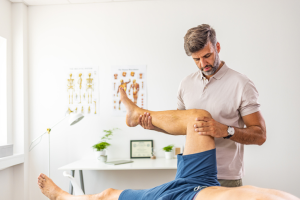
Many patients are surprised to learn that physical therapy often begins before ACL reconstruction surgery. Known as prehabilitation, this phase focuses on improving strength, mobility, and muscle control to prepare the body for the procedure and minimize post-surgical complications.
When the knee is swollen, stiff, or weak, recovery after surgery tends to take longer. Prehab helps reduce these challenges by:
- Restoring range of motion so the joint moves freely before surgery
- Reducing inflammation and swelling through manual techniques and controlled movement
- Strengthening key muscle groups, such as the quadriceps, hamstrings, and glutes
- Improving neuromuscular control, teaching your body how to move safely and efficiently
At Twin Boro, we design personalized prehabilitation plans that set the stage for smoother post-operative recovery and faster return to function.
The Early Stages of Post-Surgical Recovery
Once surgery is complete, the focus shifts to pain management, mobility, and protecting the graft as it heals. Early rehabilitation is gentle and helps prevent stiffness, improve circulation, and re-engage weakened muscles.
In the first few weeks, your therapist will guide you through:
- Hot/cold therapy and compression to manage pain and swelling
- Manual therapy to maintain knee mobility
- Quadriceps activation exercises to restore muscle function
- Weight-bearing progression, helping you safely regain stability and confidence
These early interventions help the knee heal correctly while maintaining flexibility and muscle engagement, which are crucial for long-term success.
Progressing Toward Strength and Functional Movement
After the initial healing period, therapy becomes more active. Strengthening exercises target the muscles surrounding the knee to restore support and control. Your therapist will gradually introduce more dynamic movements, like step-ups, squats, and resistance training, to rebuild endurance.
At Twin Boro, we use progressive loading and functional movement training to safely challenge your knee without overstressing the healing tissue. Focusing on correct form and balanced muscle recruitment reduces compensations and prepares you for advanced agility and coordination work later in recovery.
Returning to Activity with Confidence
As your strength, balance, and range of motion improve, therapy transitions into functional or sport-specific training. This phase includes agility drills, balance training, and plyometric exercises designed to mimic real-life or athletic movements.
Before you return to high-impact activities, your therapist will perform performance-based assessments to ensure your knee can handle the demands of your lifestyle or sport. The goal is to return stronger, more confident, and less likely to experience re-injury.
At Twin Boro, long-term knee health is built into every ACL recovery program. By teaching proper warm-ups, strengthening routines, and movement techniques, we help you protect your ligaments and reduce your risk of future injury.
Your Path to ACL Recovery in Fair Lawn, NJ
The sooner you start physical therapy after an ACL injury, the better your recovery potential. At Twin Boro Physical Therapy in Fair Lawn, NJ, our team is here to support you from the earliest stages of injury through your return to full activity.
Whether preparing for surgery or recovering afterward, we’ll create a personalized plan to help you move comfortably, rebuild strength, and regain your active lifestyle. Contact us today to schedule a consultation and take the first step toward lasting recovery.